01
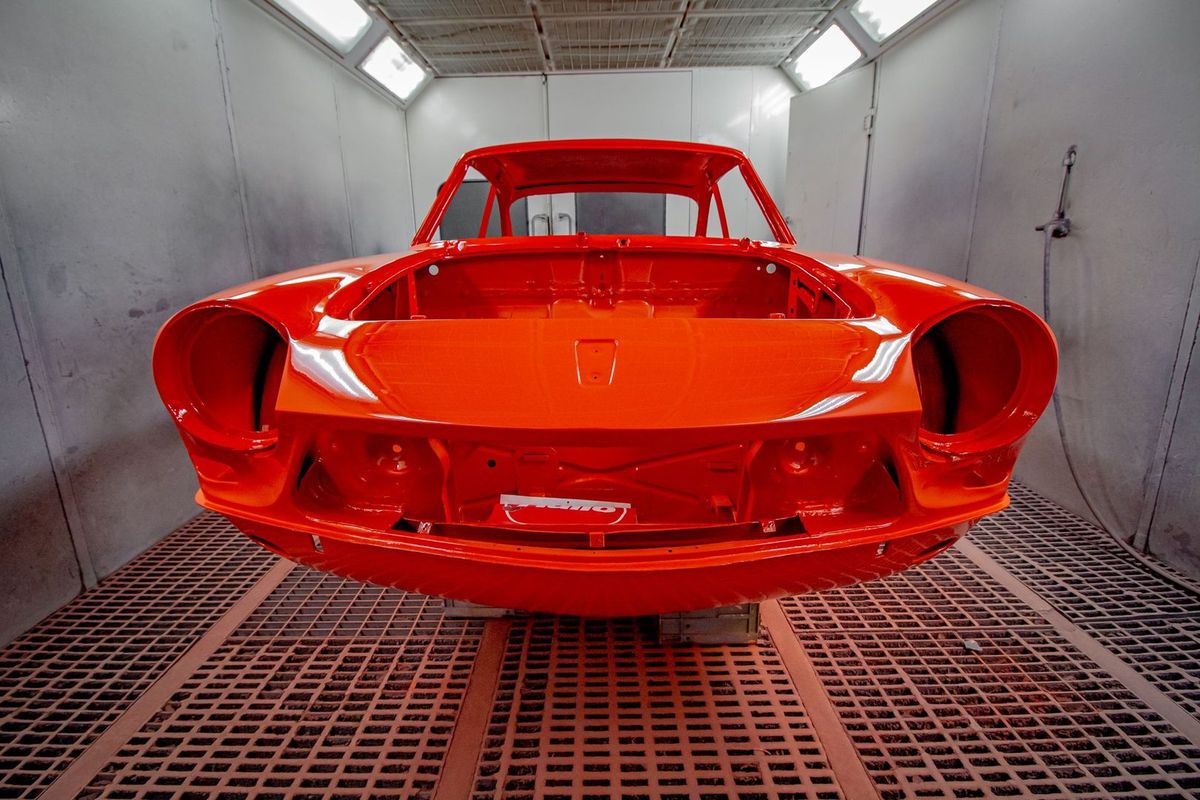
Spray Booths
Dry chemical systems for booth, plenum and exhaust duct protection.
Industrial Suppression
Paint booth suppression, dust collector protection, spark detection and extinguishing, and pre-engineered systems for ovens, fryers and process equipment.
Overview
Spray booths, dust collectors and process lines carry fire and explosion risks that ordinary sprinklers can't address alone. Fires in ducts and collectors spread fast and can damage expensive equipment.
We install and service pre-engineered dry chemical systems, spark detection and extinguishing, and interlocks that shut down fans, conveyors and fuel when a system operates.
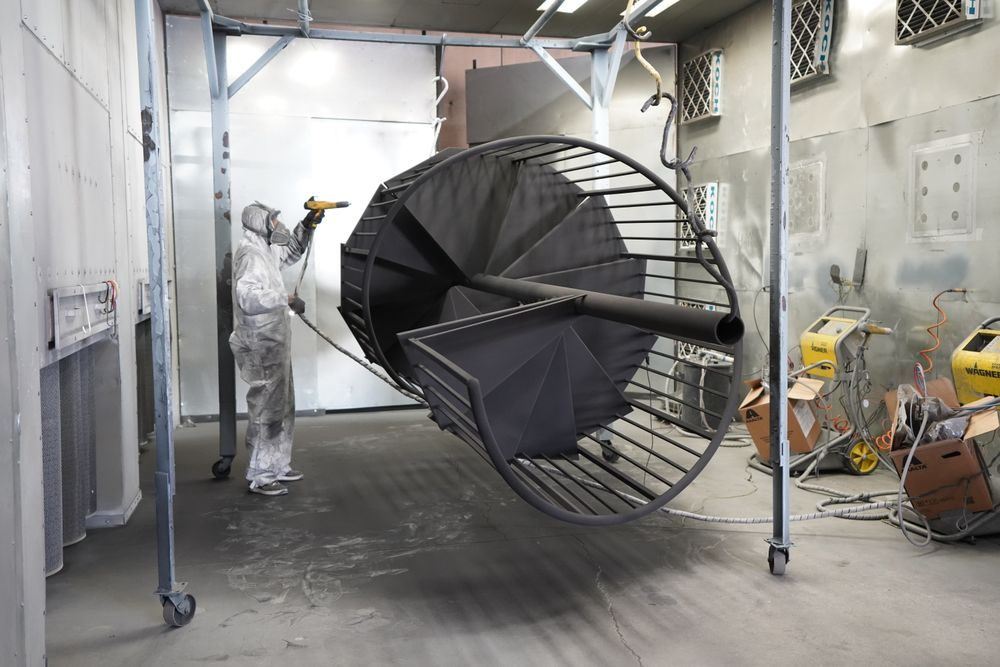
Service scheduled around production.
What we do
01
Dry chemical systems for booth, plenum and exhaust duct protection.
02
Suppression and isolation options for collectors and ducting.
03
Detectors that find sparks in ducts and extinguish them before they reach the collector.
04
Pre-engineered systems for industrial cooking and drying equipment.
05
Fan, conveyor and fuel shutdowns tied to system operation.
06
Inspections, link replacement and recharge on schedule.
Standards & frequency
We build these intervals into your service calendar, so tasks happen on time and records are ready when your fire marshal or insurer asks.
| Hazard | Reference | Typical service |
|---|---|---|
| Spray application (booths) | NFPA 33 | Protection required for booths and exhaust |
| Dry chemical systems | NFPA 17 | Inspection and maintenance semiannually |
| Combustible dust | NFPA 652 / 654 | Hazard analysis drives protection |
| Explosion prevention | NFPA 69 | Isolation and suppression where required |
Your insurer and AHJ may have additional requirements for process hazards.
How it works
01
Process, materials and equipment reviewed.
02
System and interlocks selected.
03
Installed during a shutdown window.
04
Semiannual inspections scheduled with production.
Questions
Have a question about your building? Call 218-262-9553 or send a request and a specialist will follow up.
Dry chemical systems are typically inspected and maintained every six months under NFPA 17 and the manufacturer's instructions.
Infrared detectors in ductwork see sparks and trigger a water spray downstream before the spark reaches a collector or silo.
Most inspections require a short shutdown. We schedule around your production calendar.
We work alongside your engineer or consultant and provide protection options once the hazard is defined.
Our 24/7 line connects you with an on-call coordinator who can dispatch a technician, help you plan fire watch, and document the impairment for your records.
218-262-9553
Emergency service