01
Sales & Installation
New extinguishers, cabinets and signage sized to your hazards and layout.
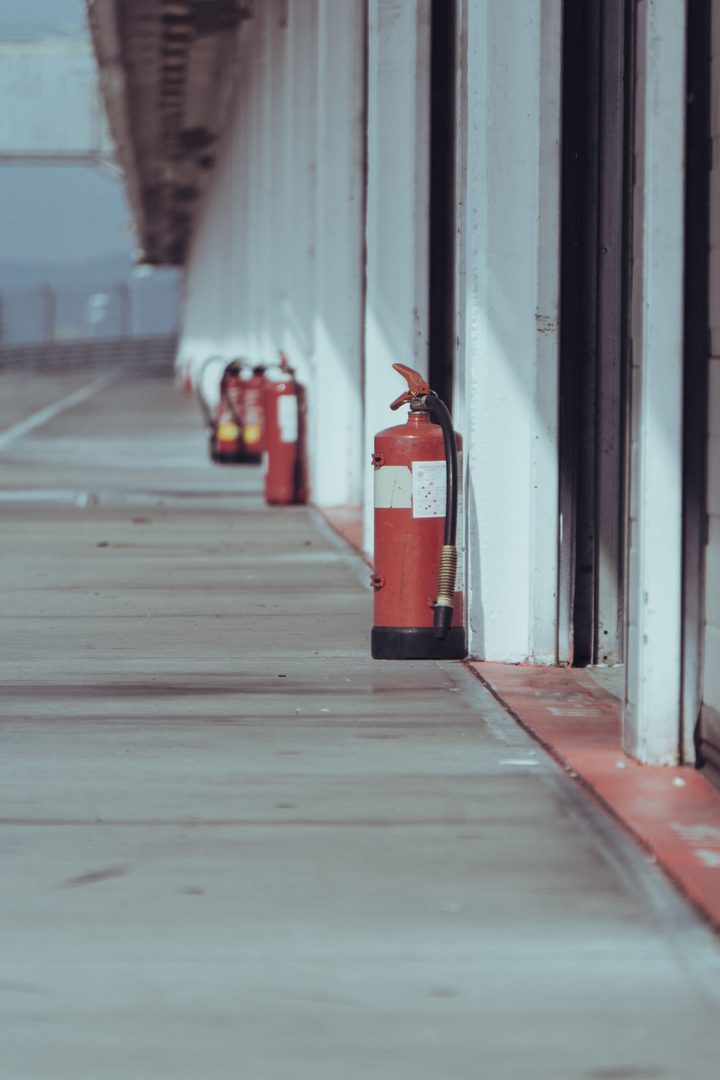
Fire Extinguishers
Annual maintenance, six-year service, hydrostatic testing, new units and placement surveys, plus hands-on training so your staff knows how to use them.
Overview
Portable extinguishers only help if they are the right type, in the right place and fully charged. We survey your building, match extinguisher types to hazards and keep every unit on a service schedule.
Annual maintenance includes a full external examination, tag and service record. Six-year maintenance and hydrostatic tests are scheduled from each unit's manufacture date.
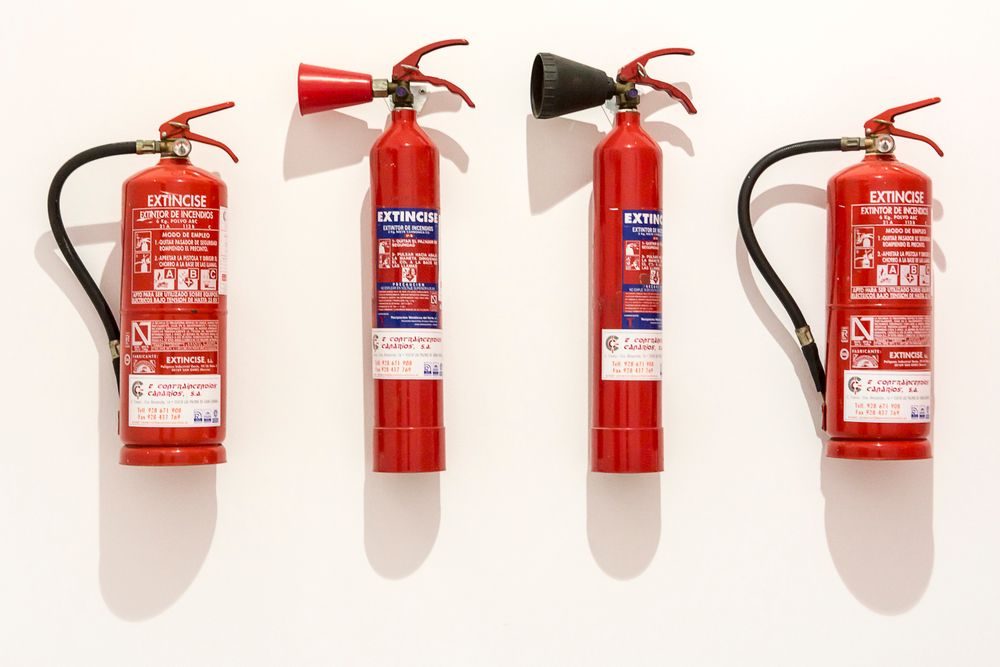
Service dates kept by unit, not by guesswork.
What we do
01
New extinguishers, cabinets and signage sized to your hazards and layout.
02
Examination, weight checks, pin and seal replacement, tags and records.
03
Shell testing at the interval required for each extinguisher type.
04
Recharge after use, plus valve, hose and gauge repairs.
05
Wet chemical extinguishers paired with your hood suppression system.
06
Practical training so staff can use an extinguisher with confidence.
Standards & frequency
We build these intervals into your service calendar, so tasks happen on time and records are ready when your fire marshal or insurer asks.
| Task | Performed by | Typical frequency |
|---|---|---|
| Visual inspection | Building staff or contractor | Monthly |
| Maintenance | Certified technician | Annually |
| Internal maintenance (stored-pressure dry chemical) | Certified technician | Every 6 years |
| Hydrostatic test (water, CO2, wet chemical) | Certified technician | Every 5 years |
| Hydrostatic test (dry chemical) | Certified technician | Every 12 years |
Summary of commonly adopted NFPA 10 editions. Manufacturer instructions and your AHJ also apply.
How it works
01
We match extinguisher types and locations to your hazards.
02
Units, cabinets and signage installed at the right heights.
03
Annual maintenance, tags and unit-level records.
04
Six-year and hydrostatic dates scheduled automatically.
Questions
Have a question about your building? Call 218-262-9553 or send a request and a specialist will follow up.
Yes. NFPA 10 allows monthly visual inspections by building staff. Check that the unit is in place and unobstructed, the gauge is in the green, the pin and seal are intact, and initial the tag.
Most offices and stores use multipurpose ABC dry chemical units. Kitchens with cooking oils need Class K, and server rooms often use clean agent units. Our survey matches each area to the right type.
Even a partial discharge means the unit must be recharged. Call us and we will swap it for a loaner while we recharge yours.
Spacing depends on the hazard and the extinguisher rating. For ordinary Class A hazards, NFPA 10 limits travel distance to an extinguisher to 75 feet.
Our 24/7 line connects you with an on-call coordinator who can dispatch a technician, help you plan fire watch, and document the impairment for your records.
218-262-9553
Emergency service