For decades, most fire alarm panels reported to a central station through two traditional copper phone lines. That arrangement is ending. Telephone carriers have been retiring copper networks and the analog service that runs over them, and many buildings are now finding their alarm lines on a disconnection schedule.
If your fire alarm communicator still depends on those lines, losing them means losing monitoring, which means alarm signals stop reaching the central station and the fire department. Here's what facility teams should know.
Why it matters for fire alarms
A digital alarm communicator transmitter (DACT) dials the central station over a phone line to report alarm, supervisory and trouble signals. When the line is replaced by a VoIP service or disconnected, the dialer may fail silently or intermittently, and you may not find out until a test or a real event.
What replaces the phone line
Most buildings move to a cellular communicator, an IP communicator over the building network, or both. Current editions of NFPA 72 recognize these paths, and many jurisdictions accept a single supervised cellular communicator. The number of paths and the supervision requirements depend on the code edition your jurisdiction has adopted and on your AHJ.
- Cellular communicators are independent of the building network and are the most common replacement.
- IP communicators use the building's internet connection and need coordination with IT for power and network reliability.
- Dual-path units combine cellular and IP for redundancy.
How the switch works
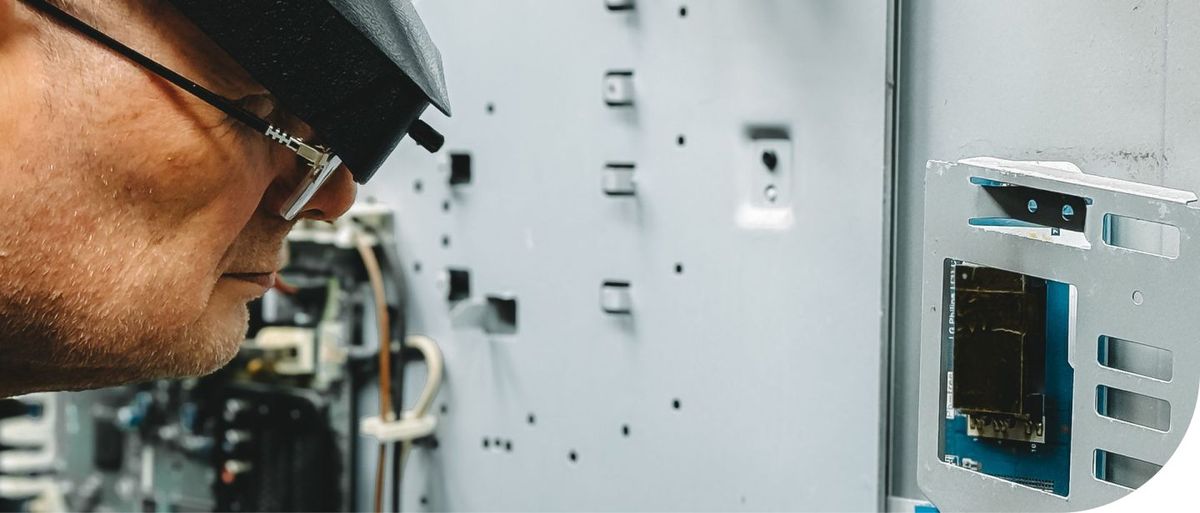
A typical upgrade takes a single visit. A technician confirms panel compatibility, installs and programs the communicator, places a signal test with the central station for every signal type, and documents the change. If the panel is too old to support a modern communicator, that's often the right time to plan a panel replacement.
What to do next
- Find out which lines your alarm uses and whether they're being retired.
- Ask your monitoring provider which communicators they support.
- Schedule the upgrade before the disconnection date.
- Keep the signal test record with your fire alarm documentation.
Not sure where your building stands? Our team can review your panel and communicator during your next inspection, or on a dedicated visit.